Pilates Santé of Los Gatos
  • Home
  • About
    • Our Story
    • Our Team
  • Services
    • Physical Therapy
    • Private & Group Pilates
    • Athletic & Dance Conditioning
    • Online Services
    • Workshops
  • New Clients
    • Your Journey to Wellness
    • Scheduling
    • Pricing
    • Policies
  • Client Resources
    • Supplements >
      • DYNAPURE CBD
      • Designs4Health
    • Exercise Videos
    • Stress Management
    • Blog
    • Community Partners
  • Clinical Instructor Academy

Educational Blogs


Our newsletter contains multiple blog posts by Ariel and informational
exercise videos for your health & wellness.

Subscribe to Newsletter

Do I Have Pelvic Floor Disorder?

1/1/2023

6 Comments

 
Many women suffer from symptoms that they believe to be “normal” after a certain age. However, we now understand that isn’t necessarily the case, and pelvic floor dysfunction can be diagnosed and treated.
Common pelvic floor dysfunction symptoms include:
  • urinary issues, such as the urge to urinate or painful urination.
  • constipation or bowel strains.
  • lower back pain.
  • pain in the pelvic region, genitals, or rectum.
  • discomfort during sexual intercourse for women.
  • pressure in the pelvic region or rectum.
  • muscle spasms in the pelvis.

What causes pelvic floor disorder?

Although we don’t really understand causes, we can link pelvic floor dysfunction to many factors which include:
  • Pregnancy and Childbirth
  • Pelvic surgery 
  • Obesity or high body weight 
  • Excessive high impact sports
  • Sedentary lifestyle or  poor nutrition 
  • Improper bathroom technique 
  • Incorrectly performed kegel exercise
  • Childhood trauma
  • Stress

How is pelvic floor disorder diagnosed?

A common diagnosis for pelvic floor dysfunction that we often treat, before or after surgery, is pelvic floor prolapse.
A prolapse occurs when the pelvic muscles and other supporting tissues become weak, which causes the organs in the pelvis to drop or fall out of place.

We also see patients who do not have prolapse but complain of some of the above dysfunctional symptoms.   We recommend these patients see a specific internal pelvic floor physical therapist in addition to us working on the imbalances externally in their hip and pelvic musculature.
Picture

How is pelvic floor disorder treated?

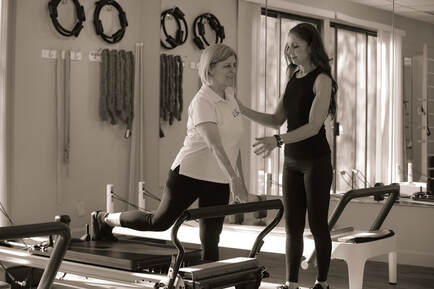
At Pilates Sante, we will begin with an initial evaluation, to assess your trunk, abdominal and hip muscles mobility and strength. At your first appointment, we will create a home exercise program for you. You will be given exercises to do at home in between sessions that directly address your imbalances. 
Within your second or third session, you will begin working on the various pilates equipment machines to address the same imbalances. Pelvic floor disorders or conditions can be treated from 2-20 visits depending on the condition and the client. We find pilates mat and equipment based exercises extremely transformative for pelvic floor conditions.  
6 Comments
Signs of Weak Pelvic Floor After Childbirth link
8/16/2025 04:31:13 am

Thank you for shedding light on such an important topic. It's reassuring to know that pelvic floor disorders can be addressed with the right approach.

Reply
Daniel Dantas link
8/30/2025 03:53:20 am

This article provides clear insights into pelvic floor disorders, highlighting symptoms, causes, and effective treatments, especially through Pilates-based exercises.

Reply
Luiz Gustavo Mori link
8/30/2025 06:16:37 am

Such a well-written and informative post! It explains pelvic floor disorders in a clear, approachable way and offers guidance that feels supportive and compassionate. This kind of resource is invaluable for anyone seeking answers.

Reply
Luiz Antonio Duarte Ferreira link
9/1/2025 09:34:49 pm

Such an informative post! Many people struggle with pelvic floor issues without realizing it. Your explanation makes it easier to recognize the symptoms and encourages people to seek medical advice. Really appreciate the clarity here.

Reply
Beatriz Barata link
9/1/2025 11:46:49 pm

Great article! I appreciate how it breaks down pelvic floor disorders in a simple and understandable way. The information on signs, diagnosis, and treatment is very useful for anyone experiencing related issues.

Reply
Sidney De Queiroz Pedrosa link
9/2/2025 03:35:22 am

Great blog! It raises awareness about pelvic floor disorders and provides clear, actionable advice. The explanations are easy to follow, making it a valuable resource for anyone experiencing symptoms or wanting preventive guidance.

Reply


Leave a Reply.

    Ariel Lehaitre, Author

    Categories

    All

Proudly powered by Weebly
  • Home
  • About
    • Our Story
    • Our Team
  • Services
    • Physical Therapy
    • Private & Group Pilates
    • Athletic & Dance Conditioning
    • Online Services
    • Workshops
  • New Clients
    • Your Journey to Wellness
    • Scheduling
    • Pricing
    • Policies
  • Client Resources
    • Supplements >
      • DYNAPURE CBD
      • Designs4Health
    • Exercise Videos
    • Stress Management
    • Blog
    • Community Partners
  • Clinical Instructor Academy